 By Maxine Spencer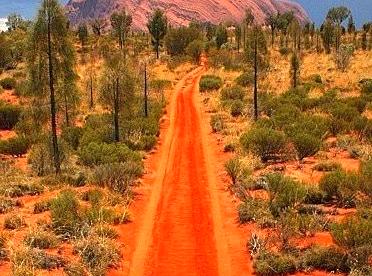
Australia boasts a rich tapestry of culture, and one of the most profound experiences available to travelers is participating in unique Aboriginal guided walks. These walks offer an immersive glimpse into the ancient traditions, stories, and landscapes of Indigenous Australians. Hosted by knowledgeable Aboriginal guides, these walks enable participants to explore significant cultural sites while gaining insight into the Dreamtime stories that shape Aboriginal history. Through these guided experiences, tourists can connect with the land on a deeper level, understanding the spiritual ties that Aboriginal people maintain with their environment. In this article, we will delve into some of the most notable Aboriginal guided walks across Australia and what makes them so special.
A Journey Through Aboriginal History
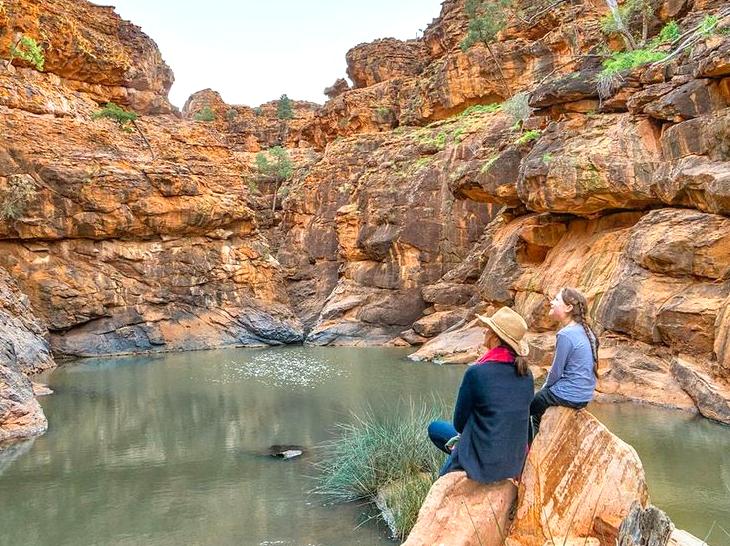
Participating in Aboriginal guided walks is not merely a physical journey; it’s a passage through history and culture. Each step taken is steeped in meaning, as the guides share tales passed down through generations. These walks often lead participants through culturally significant sites, showcasing traditional tools, food sources, and art forms. For instance, the detailed interpretations of rock art provide insight into the spiritual beliefs and practices of Aboriginal peoples. Understanding their profound connection to the land allows visitors to appreciate the landscape in a way that is rarely experienced on traditional tours. This deeper understanding enriches the experience, transforming a simple walk into a moving cultural exchange.
Popular Aboriginal Guided Walks
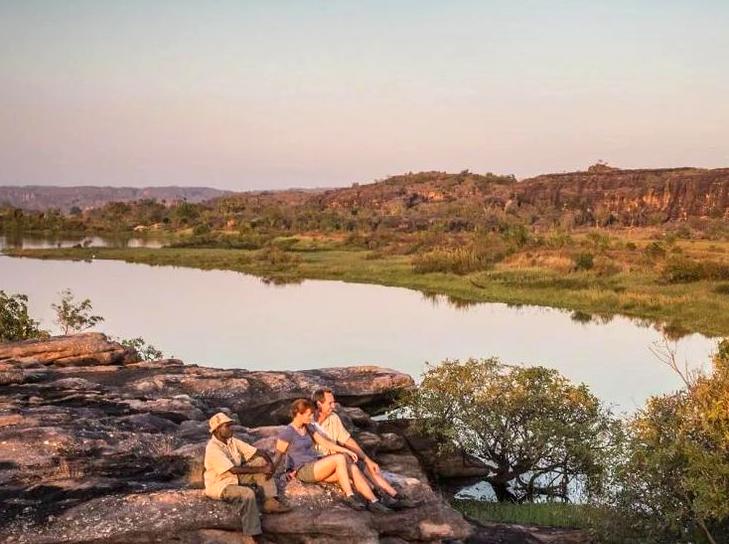
Across Australia, several standout Aboriginal guided walks beckon both locals and tourists. Here are a few notable ones:
-
- Kings Canyon Rim Walk – Located in the Watarrka National Park, this breathtaking hike features stunning rock formations and ancient plant life, all while led by Aboriginal guides sharing the stories of their ancestors.
- The Blue Mountains Walks – Offering multiple trails through the enchanting Blue Mountains, these walks showcase the rich flora and fauna, alongside insights into the significance of the land through Aboriginal eyes.
- The Larapinta Trail – Stretching through Australia’s outback, this trail presents an opportunity to explore rugged terrain while gaining knowledge about the traditional custodians of the land.
- Uluru Base Walk – This iconic walk around the base of the famous rock formation provides not only stunning views but also an understanding of Uluru’s cultural significance and the stories of the Anangu people.
- The Great Ocean Walk – This coastal trek offers spectacular views of the ocean and cliffs, paired with cultural insights from guides showcasing how the coastal landscape shaped Aboriginal life.
Guided Walks in Urban Settings
It’s not just rural and outback areas that offer remarkable guided walks; urban settings also provide unique opportunities for cultural immersion. Cities like Melbourne and Sydney host Aboriginal walking tours that loop through historical sites and public art. These walks often take place in vibrant neighborhoods and reveal the deep-rooted history of Aboriginal peoples in contemporary society. For instance, in Melbourne, the Yarra River area is rich with Aboriginal history, and walking tours may highlight places of significance, agricultural practices, and the ongoing cultural presence in urban life. Additionally, these urban tours frequently include visits to galleries showcasing Indigenous art, allowing participants to see and experience the dynamic creativity stemming from Aboriginal culture today.
What to Expect from Aboriginal Guided Walks
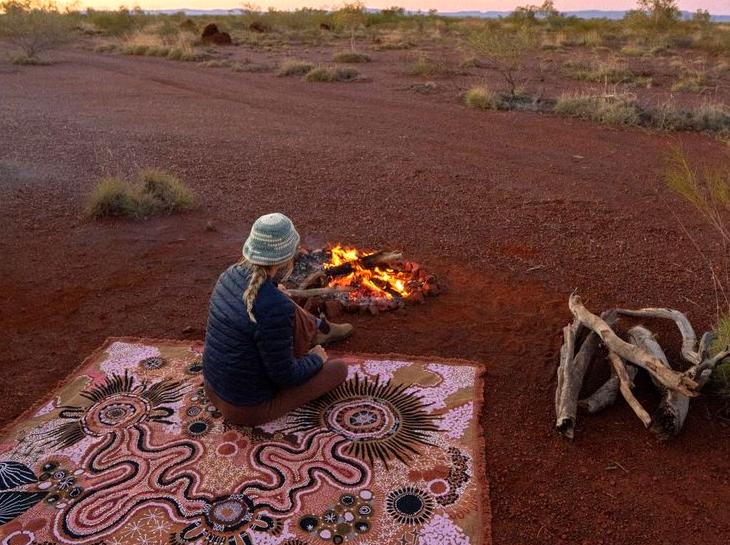
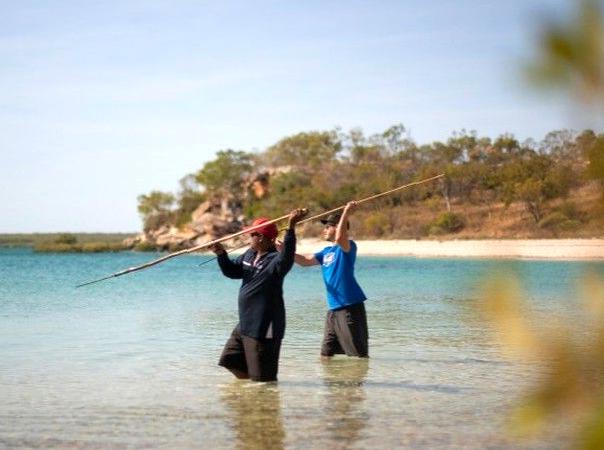
When embarking on an Aboriginal guided walk, participants can expect a level of engagement that transcends ordinary tourism. Groups are often kept small to facilitate personal connections, creating an intimate atmosphere where stories and knowledge can flow freely between guides and guests. Each experience is tailored to highlight unique aspects of the Aboriginal culture relevant to the area being explored. Expect to learn about traditional hunting and gathering practices, language, art, and the ongoing connection of Aboriginal people to the land. Many guides also incorporate storytelling and song as integral components, enriching the experience with a captivating auditory element. Finally, these walks usually conclude with opportunities for reflection, where participants can discuss their experiences and ask questions that may arise during the journey.
Conclusion
Unique Aboriginal guided walks in Australia provide an essential opportunity to connect with the rich cultural heritage of the world’s oldest living cultures. By participating in these experiences, travelers not only gain insights into the history and customs of Aboriginal peoples but also contribute to the respect and recognition these traditions deserve. Whether you find yourself traversing breathtaking landscapes or exploring urban environments, each guided walk has the potential to transform your understanding of Australia’s heritage. Engaging directly with Aboriginal culture fosters a deeper appreciation of the land and its history, creating memories that last a lifetime.
FAQs
Yes, many Aboriginal guided walks cater to families and children, offering enriching experiences that encourage learning in a fun environment.
2. Do I need to book in advance for guided walks?
It is recommended to book in advance, especially during peak tourist seasons, to ensure your spot and to allow the guides to prepare for your visit.
3. What should I wear for an Aboriginal guided walk?
Comfortable walking shoes, weather-appropriate clothing, and sun protection (like hats and sunscreen) are advisable for an enjoyable experience.
4. Are these walks wheelchair accessible?
Accessibility varies by location; it’s best to check with the individual tour providers regarding wheelchair accessibility options before booking.
5. Can I take photographs during the guided walks?
Photography policies differ among guided walks, so it’s important to confirm with your guide beforehand, especially in culturally sensitive areas.