 By Oliver Smith
The Great Ocean Road is one of the best coastal drives in the world, stretching 240kms along Australia’s coastline. Its beautiful landscapes, golden beaches and surf spots like Bells Beach, Anglesea beaches and Apollo Bay beach attract thousands of tourists and beachgoers every year. But many visitors ask: Are there sharks along the Great Ocean Road?
Sharks in the Great Ocean Road Waters
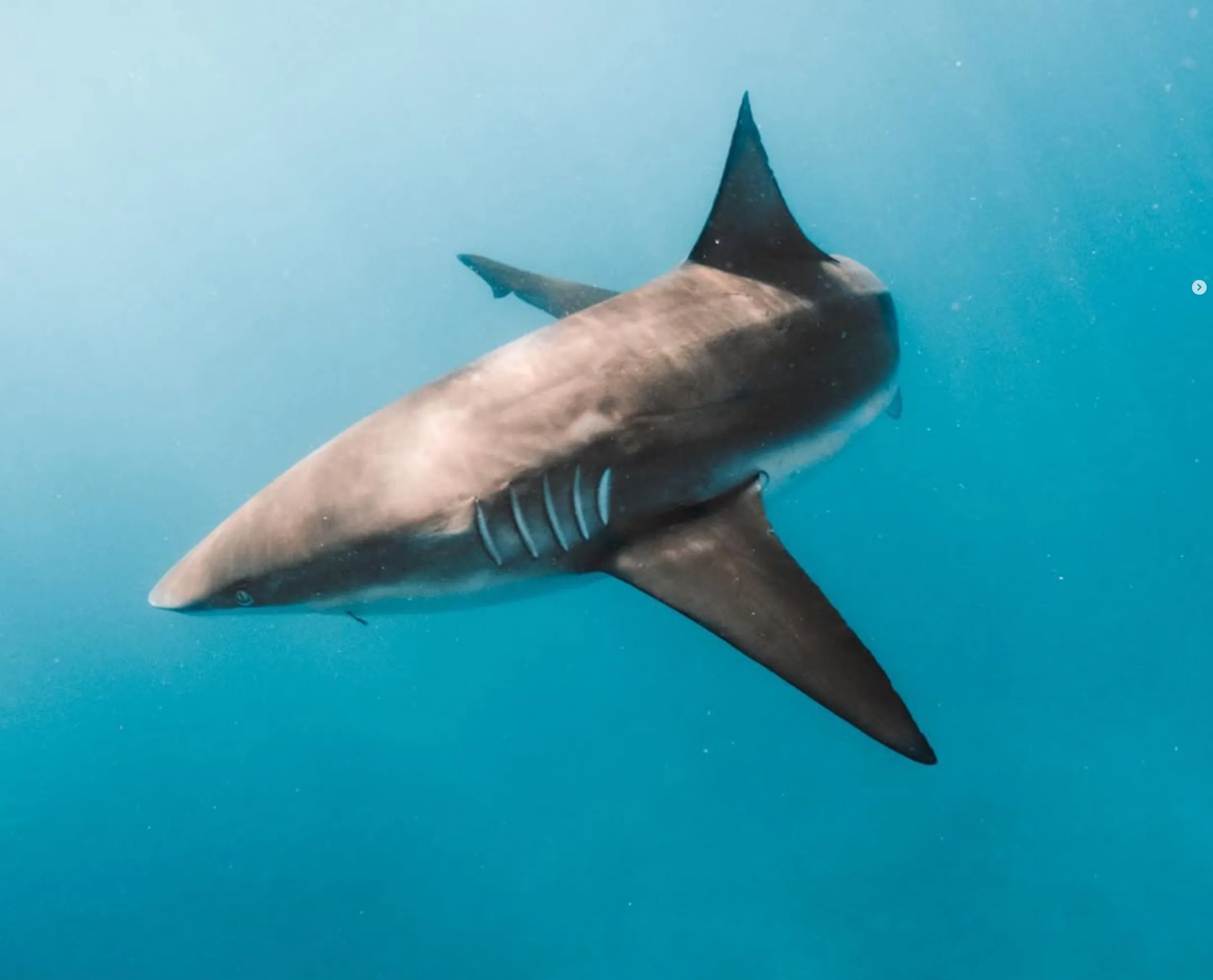
Yes, there are sharks along the Great Ocean Road, like in most Australian waters. Various species of Australian sharks including white sharks, bronze whaler sharks, gummy sharks, school sharks, dusky sharks, broadnosed sevengill sharks and bull sharks inhabit the deeper water and shallow water of this coastal area.
While shark sightings do occur, serious shark attacks are rare. Local authorities like Life Saving Victoria and Fisheries Victoria monitor the waters closely and extra helicopter patrols and rescue helicopters are deployed when needed to ensure public safety.
Shark Species
The Surf Coast, Apollo Bay and Aireys Inlet waters are home to marine life including harmless and dangerous sharks. Some of the most common species are:
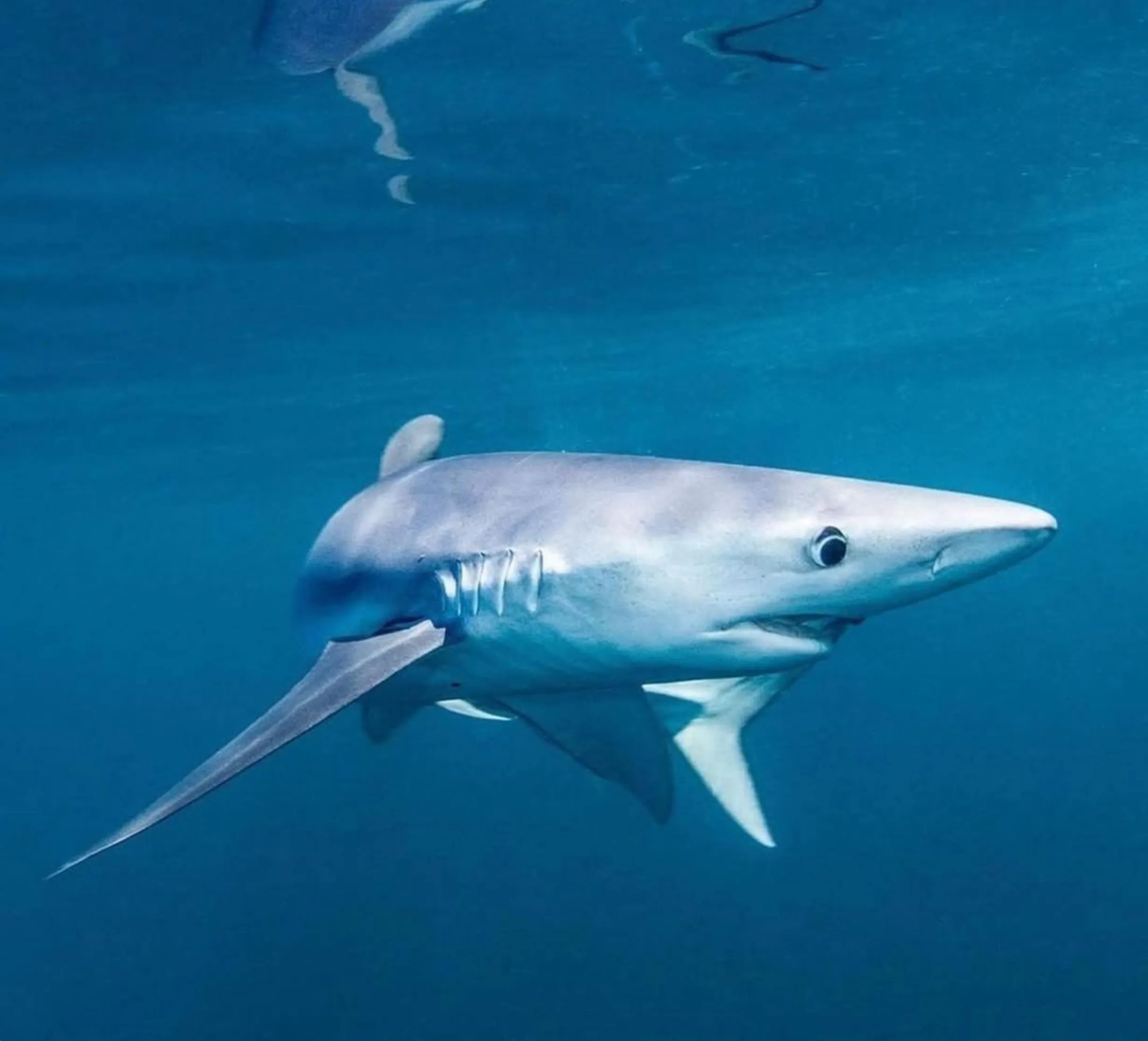
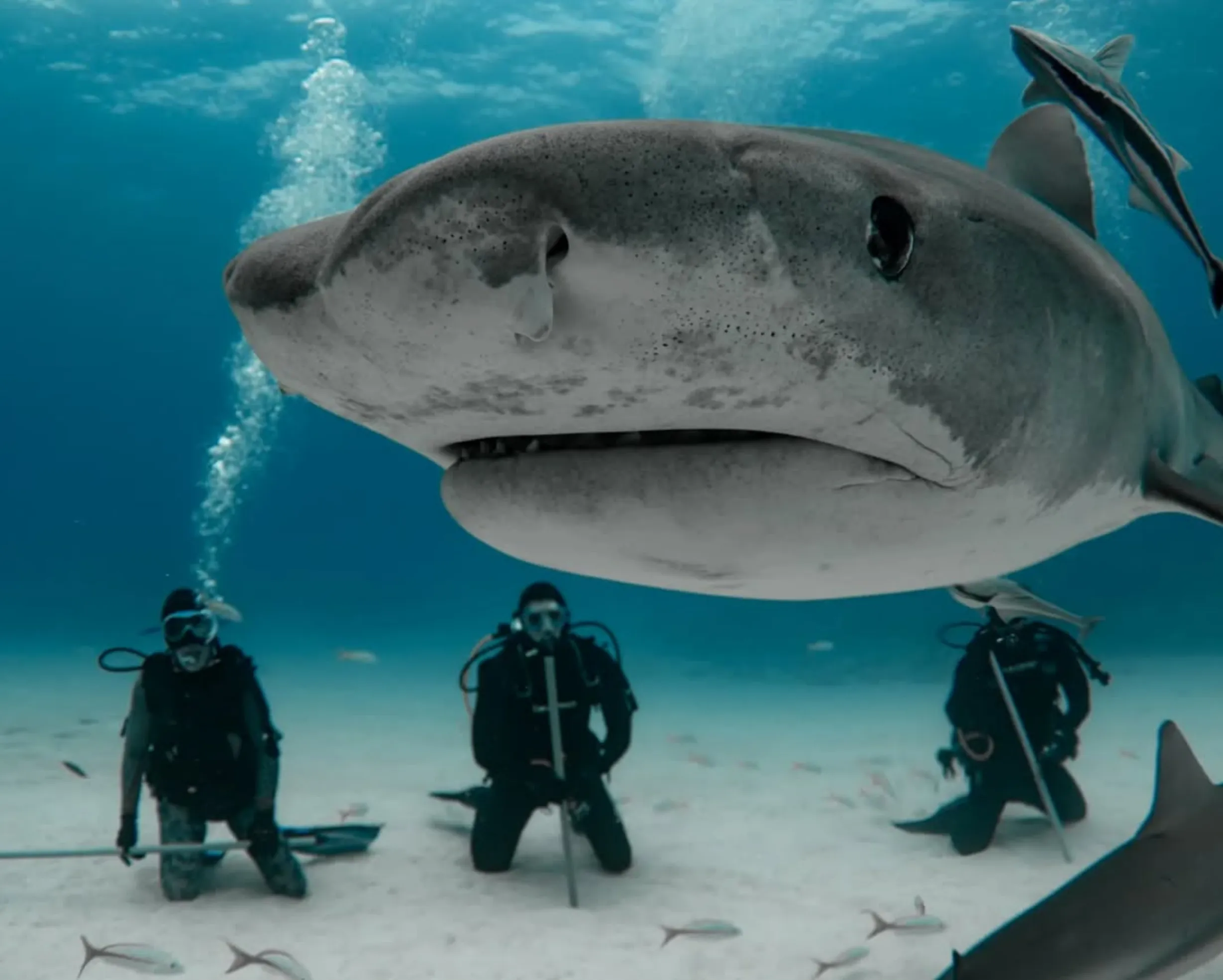
- Great White Shark (White Pointer Shark) – The most well known apex predator in Australian waters occasionally spotted near Fairhaven Beach, Moggs Creek and Apollo Bay. Some reports have mentioned 10m sharks but most sightings are of 3.5m white pointer sharks or smaller.
- Bronze Whaler Sharks – Found in bay beaches and deeper water, often mistaken for bull sharks but less aggressive.
- Bull Sharks – Can be found in shallow water near Apollo Bay.
- Tiger Sharks – Occasionally spotted near Port Campbell and Lorne Shark areas, but not often.
- Port Jackson Sharks – A benthic shark species that lives on the ocean floor and not a threat to humans.
- Dusky Sharks – Found in beaches with shark nets, migrate along the coast.
- Blue Sharks – Deep water only.
- Gummy Sharks – Not a threat.
Where Are Shark Sightings Most Common?
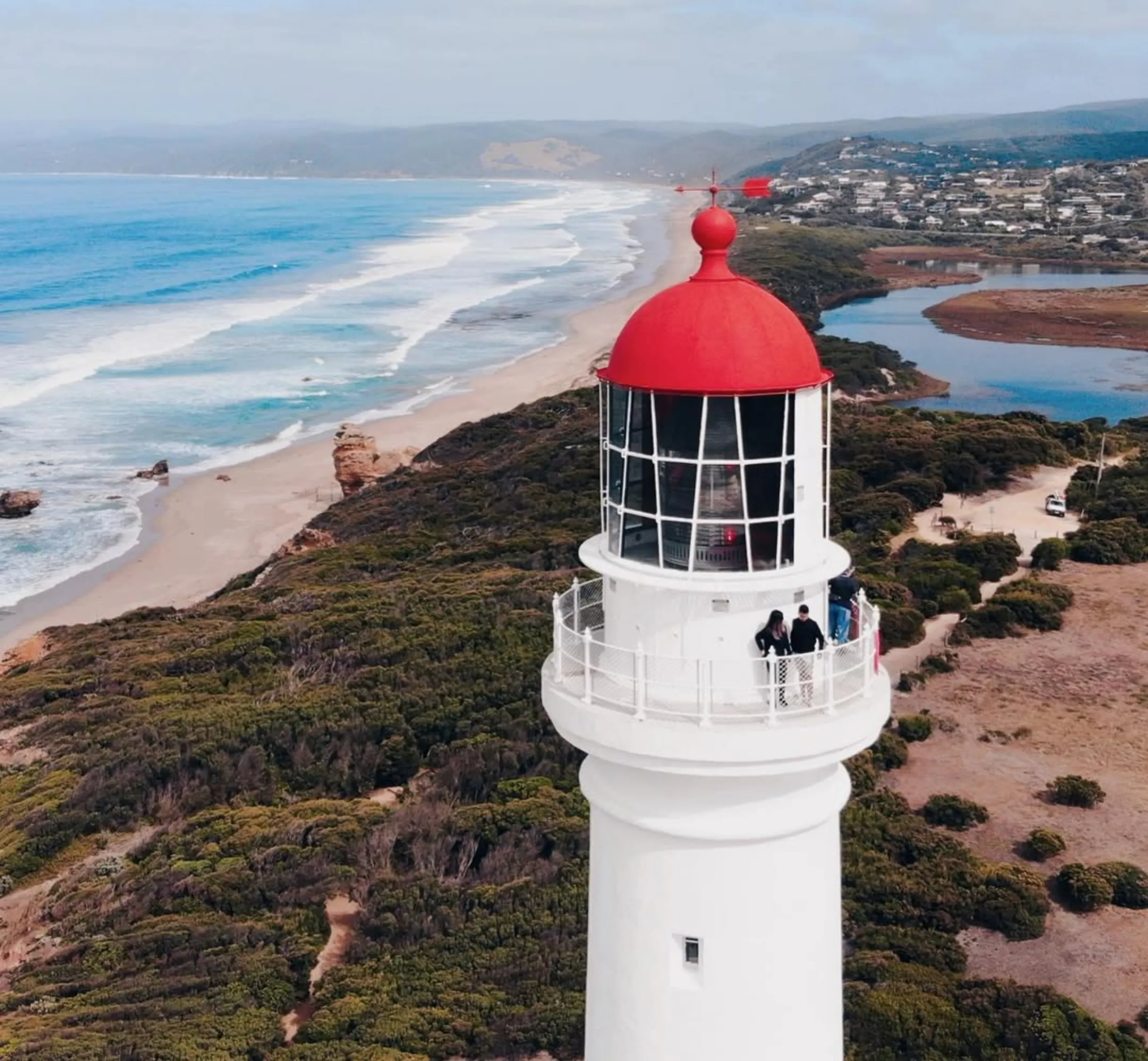
Shark activity varies depending on conditions, time of year and location. Some areas where shark warnings or shark alarms have been issued in the past are:
- Fairhaven Beach – A popular surf spot, sometimes closed due to sharks.
- Bells Beach – World class waves, surfers sometimes get juvenile shark encounters.
- Anglesea Beaches – Beach closures due to 2m + sharks.
- Apollo Bay – Home to lots of marine life, dusky and broadnosed sevengill sharks.
- Port Campbell National Park – Occasional reports of adult sharks in shallow water.
Shark Safety: How to Stay Safe While Swimming
Although fatal shark attacks are rare along the Great Ocean Road, there are measures in place to keep beachgoers safe. Here’s how you can:
- Swim at patrolled beaches – Always choose beaches where lifeguards monitor the conditions.
- Don’t swim at dawn or dusk – This is when hungry sharks are most active.
- Stay away from fishing areas – Dozens of sharks are attracted to baited areas.
- Heed shark warnings – If Life Saving Victoria issues a shark alert, get out of the water.
- Use a shark deterrent device – Some surfers and divers wear electronic shark deterrents for extra safety.
- Be cautious in beach foam and beach grit spam – These conditions can attract small fish which in turn attract sharks.
Shark Cage Diving and Safe Viewing
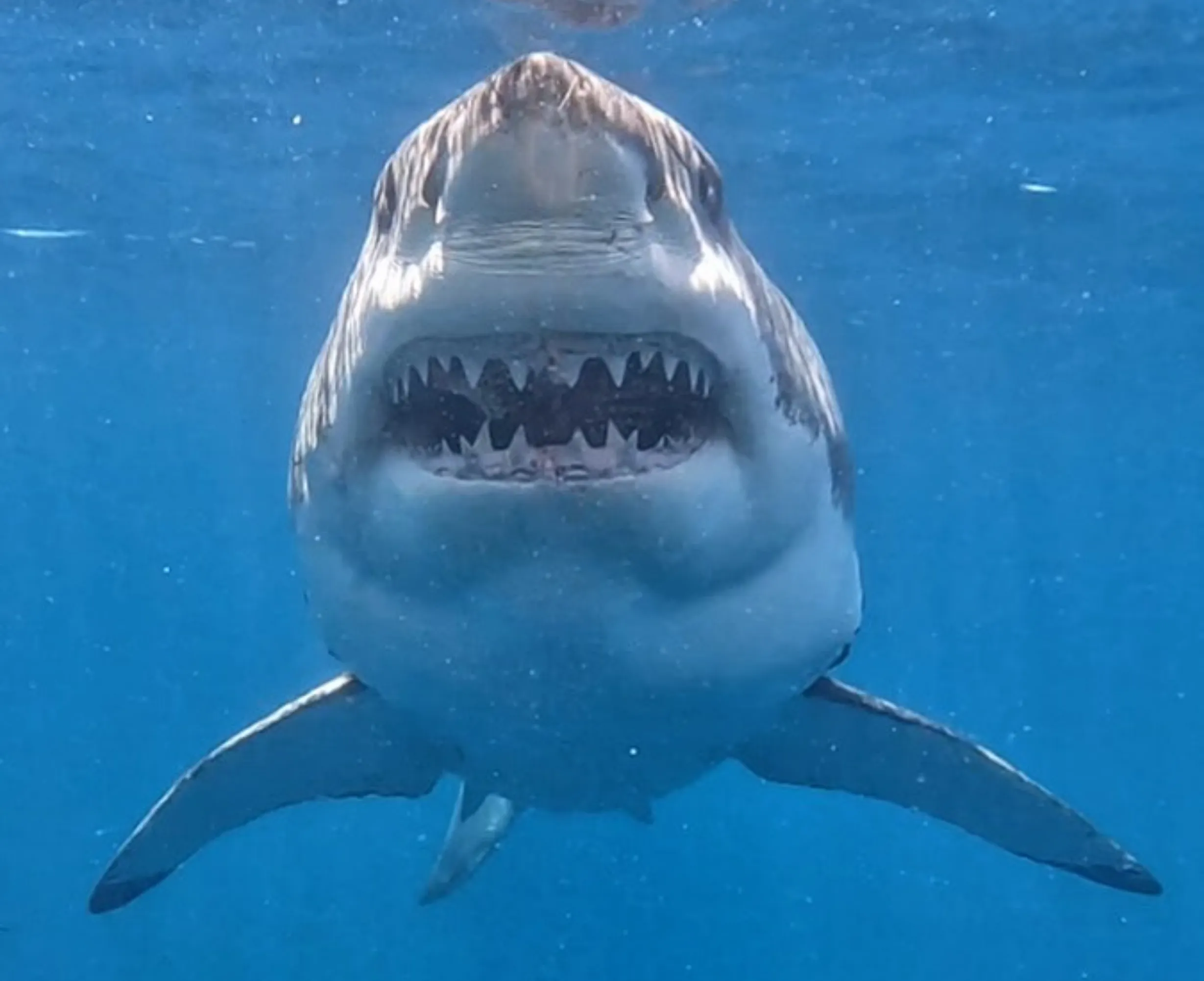
If you want to see sharks up close but safely, consider:
- Shark Cage Diving in South Australia – While not on the Great Ocean Road, this is one of the best places in the world to see great white sharks in a controlled environment.
- SEA LIFE Melbourne Aquarium – Managed by Museum Victoria, this is a safe way to learn about Australian sharks.
Conclusion
There are sharks along the Great Ocean Road, but most are not threatening, and the chance of a fatal attack is low. Fisheries Victoria, Life Saving Victoria, and rescue helicopters work hard to keep these waters as safe as possible. Whether you’re planning a beach swim, surfing at Bells Beach, or just chilling at Memorial Arch, following the safety tips will ensure you have a good time. While exploring the region, don’t miss Great Otway National Park, known for its lush rainforests, waterfalls, and diverse wildlife. Additionally, Twelve Apostles attractions offer breathtaking coastal views and iconic limestone formations, making them a must-see highlight of the Great Ocean Road.
If you want a stress free and fully guided experience along the Great Ocean Road, Autopia Tours offer Great Ocean Road Trips and 2 day great ocean road tours. They cover all the must see’s, hidden gems and even wildlife encounters.
FAQ
Are shark attacks common along the Great Ocean Road?
No, shark attacks are very rare along the Great Ocean Road. Fisheries Victoria and Life Saving Victoria monitor the waters.
What do I do if I see a shark while swimming?
Stay calm, don’t make any sudden movements and slowly back away towards the shore. If you’re at a patrolled beach signal for help.
When are sharks most active in this region?
Sharks are more active during dawn and dusk so best to avoid swimming during these times.
What are the safest beaches along the Great Ocean Road?
Patrolled beaches such as Torquay Beach, Anglesea Beach and Apollo Bay Beach are the safest as they are patrolled.
Are there shark nets at Great Ocean Road beaches?
Most beaches along the Great Ocean Road don’t have shark nets so follow the safety signs and directions from the lifeguards.