 By Maxine Spencer
The Great Walks of Australia offer some of the most stunning and diverse hiking experiences in the world, showcasing the natural beauty, biodiversity, and cultural heritage of this vast continent. From towering mountains and lush forests to pristine coastlines, these walks provide a remarkable opportunity for adventure and immersion in nature. With many options stretching across different terrains and ecosystems, the Great Walks cater to both novice and experienced hikers. This article delves into several notable trails, highlighting their unique features, preparing you for an unforgettable journey through Australia’s landscapes.
1. The Overland Track
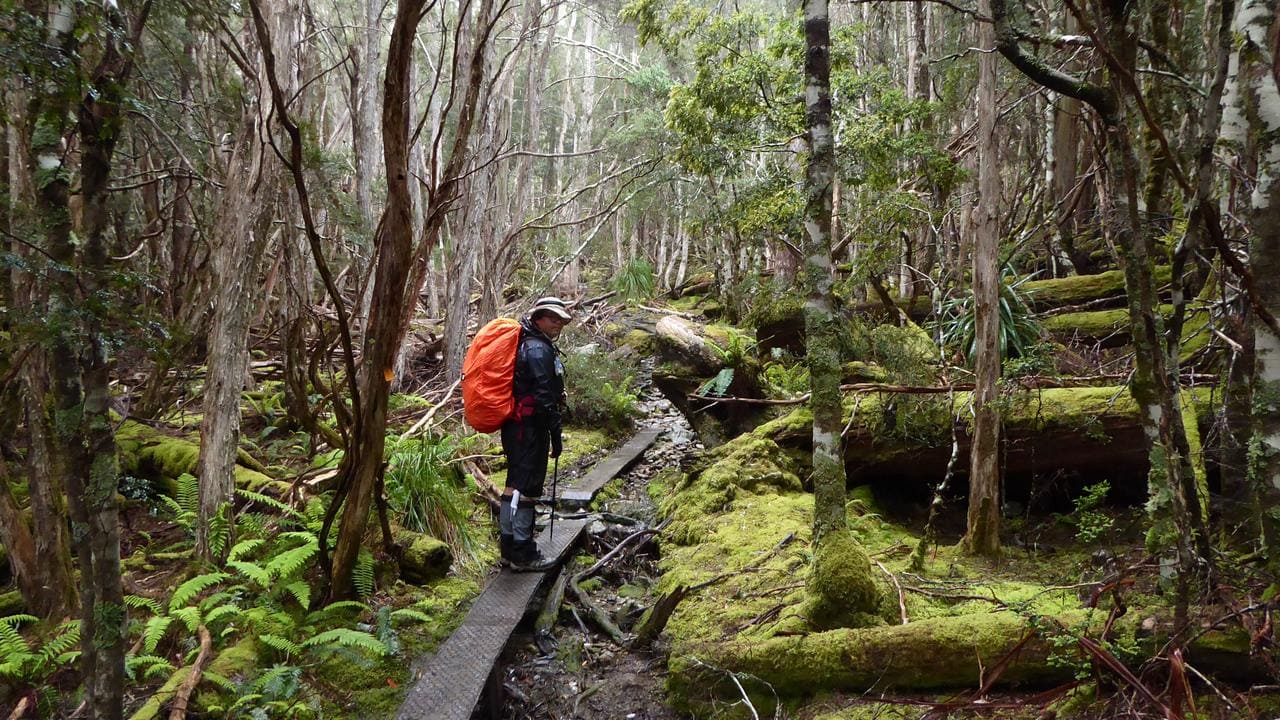
Located in Tasmania’s Cradle Mountain–Lake St Clair National Park, the Overland Track is one of Australia’s most iconic hikes. Spanning 65 kilometers, this track takes hikers through rugged terrain, ancient rainforests, and past glacial lakes. The area is known for its pristine wilderness and the chance to encounter diverse wildlife, including wallabies and Tasmanian devils. Over the course of 6 days, trekkers will enjoy stunning views of Cradle Mountain and Mount Olympus, not to mention the breathtaking beauty of alpine meadows and heathlands. The trail is well-marked and offers a variety of well-maintained huts along the route for overnight stays, making it possible for participants to experience the grandeur of Tasmania’s wilderness without heavy backpacking. Whether you’re looking for a physical challenge or a peaceful retreat into nature, the Overland Track is an unparalleled adventure.
2. The Larapinta Trail
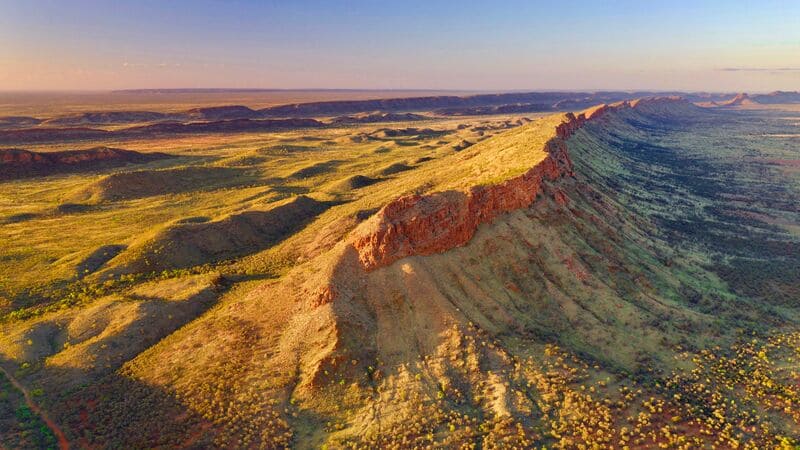
Winding through the stunning landscapes of the West MacDonnell Ranges in the Northern Territory, the Larapinta Trail is a spectacular 223-kilometer walk that can be completed in sections. Known for its distinctive red rock formations and expansive desert vistas, this trail offers hikers a unique glimpse into Australia’s arid interior. Along the route, walkers encounter an array of ecosystems, from rugged mountain ridges to serene waterholes, all while soaking in the rich Aboriginal heritage of the area. This trail is particularly famous for its incredible sunrises and sunsets, with the changing colors playing off the rocky landscapes creating an unforgettable experience. Facilities vary, with some sections offering camping grounds, while others provide the option to hike from one lodge to another, maintaining comfort while exploring rugged terrain. The Larapinta Trail is both an engaging challenge and a profound cultural journey.
3. The Cape to Cape Track
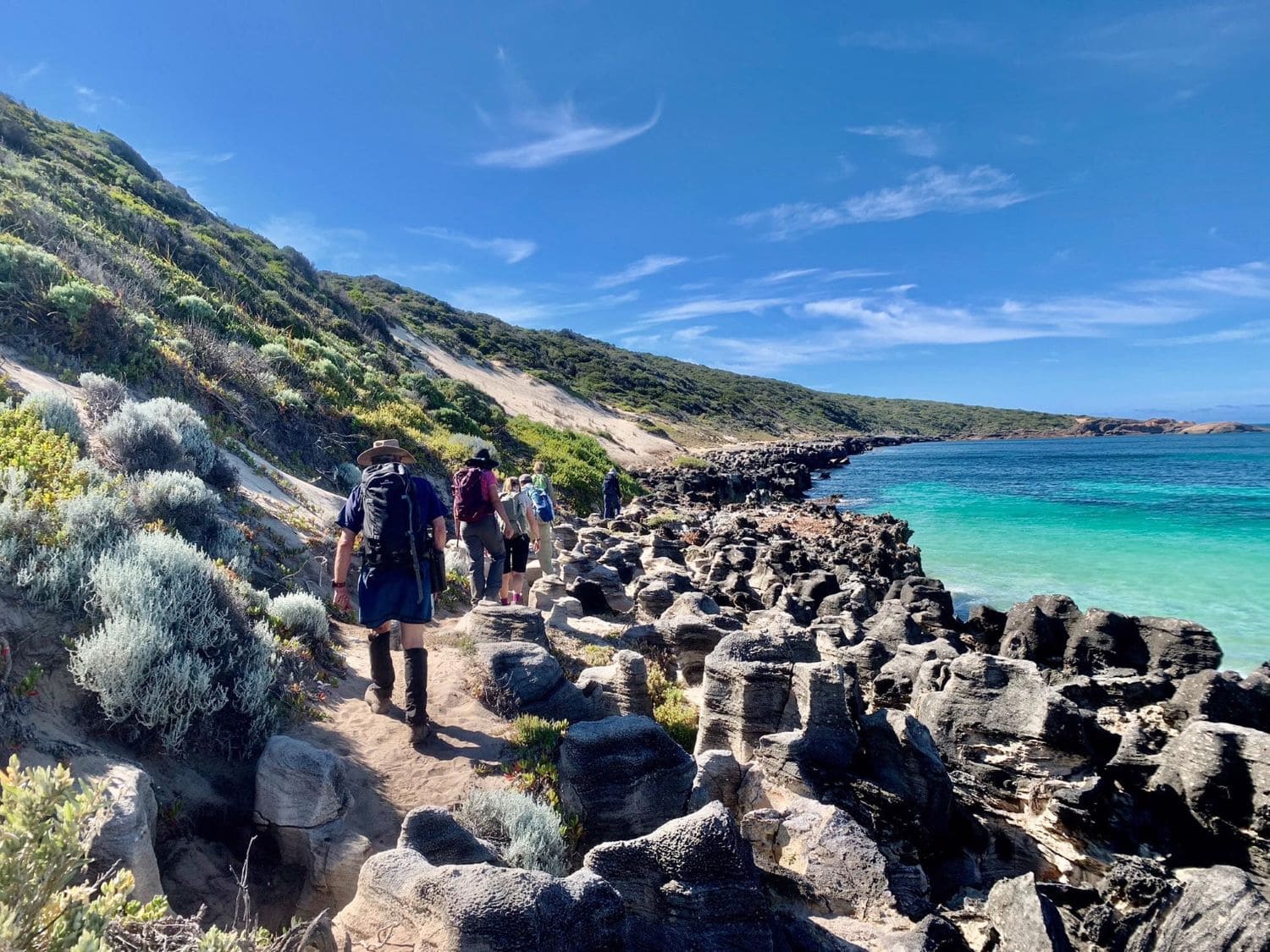
The Cape to Cape Track stretches 135 kilometers along the beautiful coastline of Western Australia, connecting Cape Naturaliste to Cape Leeuwin. This scenic walk showcases diverse ecosystems, including coastal heath, towering cliffs, and white sandy beaches. As you traverse the track, you’ll not only enjoy the stunning views of the Indian Ocean but also spot native wildlife, such as kangaroos and hundreds of bird species. The typical itinerary suggests completing the trail in about 7 days, with plenty of charming towns and accommodations along the way to explore. Hikers can also take detours to visit local wineries, lighthouses, and secluded beaches, blending adventure with leisure. Whether you’re seeking solitude or social interaction, the Cape to Cape Track offers a versatile experience for every type of walker, ensuring an unforgettable encounter with Australia’s natural beauty.
4. The Great Ocean Walk
Winding along the spectacular coastline of Victoria, the Great Ocean Walk covers approximately 104 kilometers from Apollo Bay to the iconic Twelve Apostles. This hike is a perfect blend of rugged cliffs, lush rainforests, and stunning ocean views. Over about 8 days, hikers will be treated to breathtaking sights, including famous landmarks like the Twelve Apostles, lush Otway Rainforest, and pristine beaches. Each section of the trail is uniquely different, making it a feast for the senses while offering challenges suitable for a range of skill levels. Like many of Australia’s great walks, you’ll find well-maintained campsites and facilities, allowing you to immerse yourself fully in nature without sacrificing comfort. Additionally, the area is rich in Aboriginal culture, providing opportunities for cultural education and conversation along the way.
5. Tips for Hiking the Great Walks
- Preparation is Key: Each trail has its unique terrain and climate; prepare accordingly by researching and packing appropriately.
- Stay Hydrated: Bringing sufficient water and hydration packs is crucial, especially in warmer regions where dehydration can be an issue.
- Respect Nature: Maintain the integrity of the natural environment by following the “leave no trace” principles; take your rubbish with you.
- Understand Seasons: Different times of year can affect trail conditions; be aware of seasonal changes to ensure a safe experience.
- Engage with Local Culture: Each walk has cultural and historical significance; take time to learn about indigenous narratives and histories.
The Great Walks of Australia not only provide unique physical challenges but also invite a deeper emotional connection with the stunning landscapes. Each trek is an opportunity to disconnect from daily life, recharge in nature, and create lasting memories.
Conclusion
Whether you’re a seasoned trekker or a casual walker, the Great Walks of Australia encapsulate the wild spirit and remarkable beauty of this continent. From the rugged Overland Track in Tasmania to the coastal splendor of the Great Ocean Walk, there’s a path for every nature lover to enjoy. Exploring these stunning trails will reward you with breathtaking views, refresh your spirit, and foster a profound appreciation for the diverse ecosystems that Australia has to offer. Embarking on any of these great walks could very well be the adventure of a lifetime.
Frequently Asked Questions (FAQ)
The best time generally varies by region. For most trails, spring (September to November) and autumn (March to May) offer mild weather and stunning natural scenery.
2. Do I need special permits to hike these trails?
Some trails require a park pass or specific permits, particularly in national parks. Always check with local authorities before starting your hike to ensure compliance.
3. Are there guided tours available on these walks?
Yes, many trails offer guided walking tours with trained professionals, providing insights into the local flora, fauna, and cultural heritage.
4. What safety precautions should I take while hiking?
Carry a first-aid kit, inform someone of your hiking plans, and be aware of weather conditions. Familiarize yourself with the trail and its potential hazards.
5. Can I hike with my dog on these trails?
Policies regarding pets vary by trail; some do not allow dogs, while others may have designated areas. Check before your trip to avoid any issues.