 By John Dickens
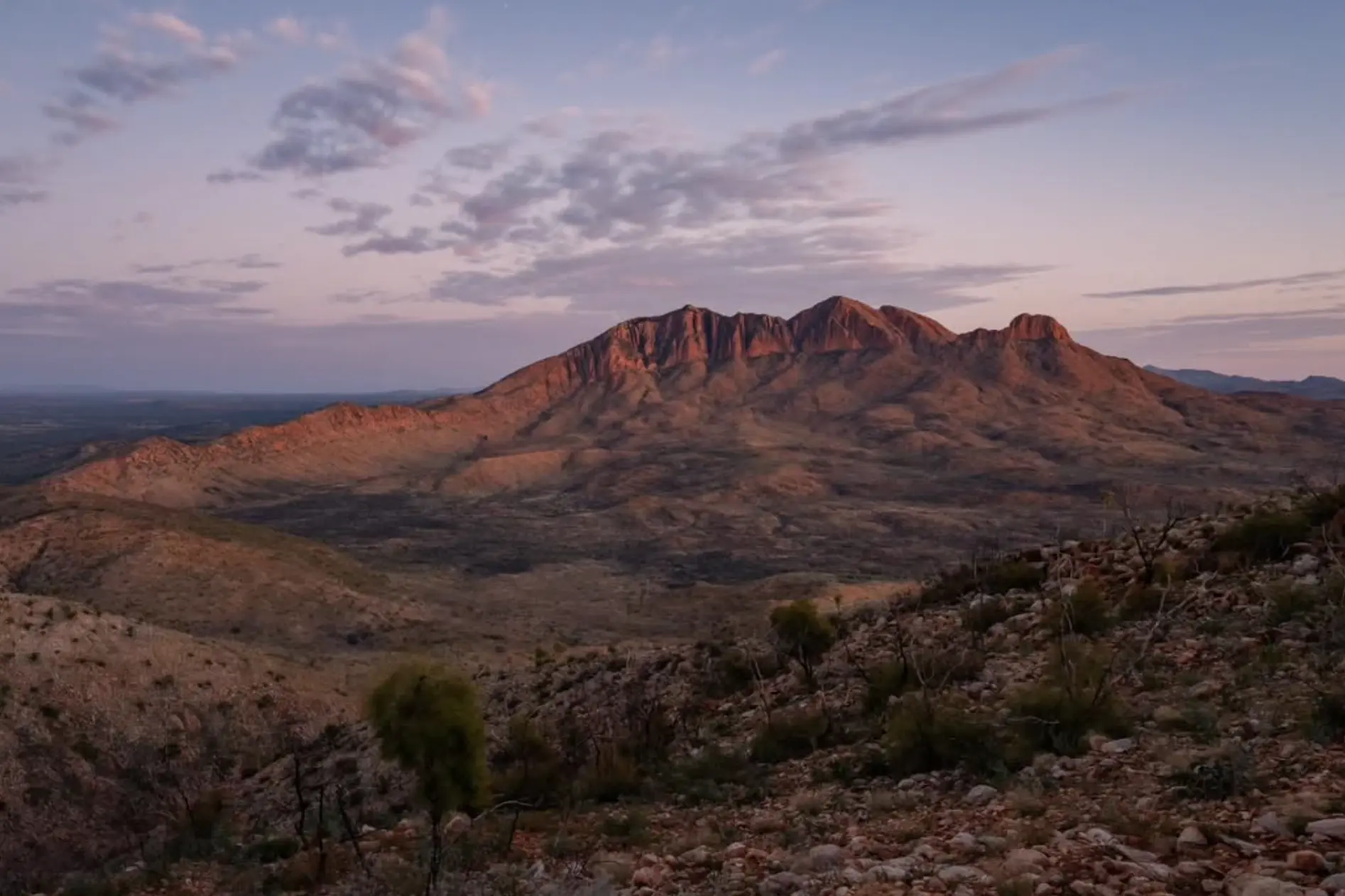
 The Larapinta Trail trip is famous for its ruggedness and views but its biodiversity is just as impressive. 223km long through the West MacDonnell Ranges this iconic Australian trail is a wildlife hotspot where you can see unique species in their natural habitat. From rock wallabies to birdlife the trail is a nature lover and hiker’s paradise.
Larapinta Trail Wildlife
The diverse ecosystems of the Larapinta Trail, creek beds, rocky ridges and gorges provide a home to many animals. Ormiston Gorge, Serpentine Gorge and Ellery Creek Big Hole are not only scenic highlights but also wildlife hotspots. For independent hikers and those on guided Melbourne tours the trail is an immersive experience into Australia’s wilderness.
Common Animals Found on the Larapinta Trail
1. Kangaroos and Wallabies
- Red Kangaroos: Often seen grazing in open plains near Ormiston Pound and Euro Ridge, these are the largest marsupials in the world and an Aussie icon.
- Euro Kangaroos (Wallaroos): Prefer rocky terrain and are often seen early morning or late afternoon.
- Black-footed Rock Wallabies: Live in rocky areas, particularly around Standley Chasm, Hugh Gorge and Serpentine Gorge, a highlight for many walkers.
2. Reptiles
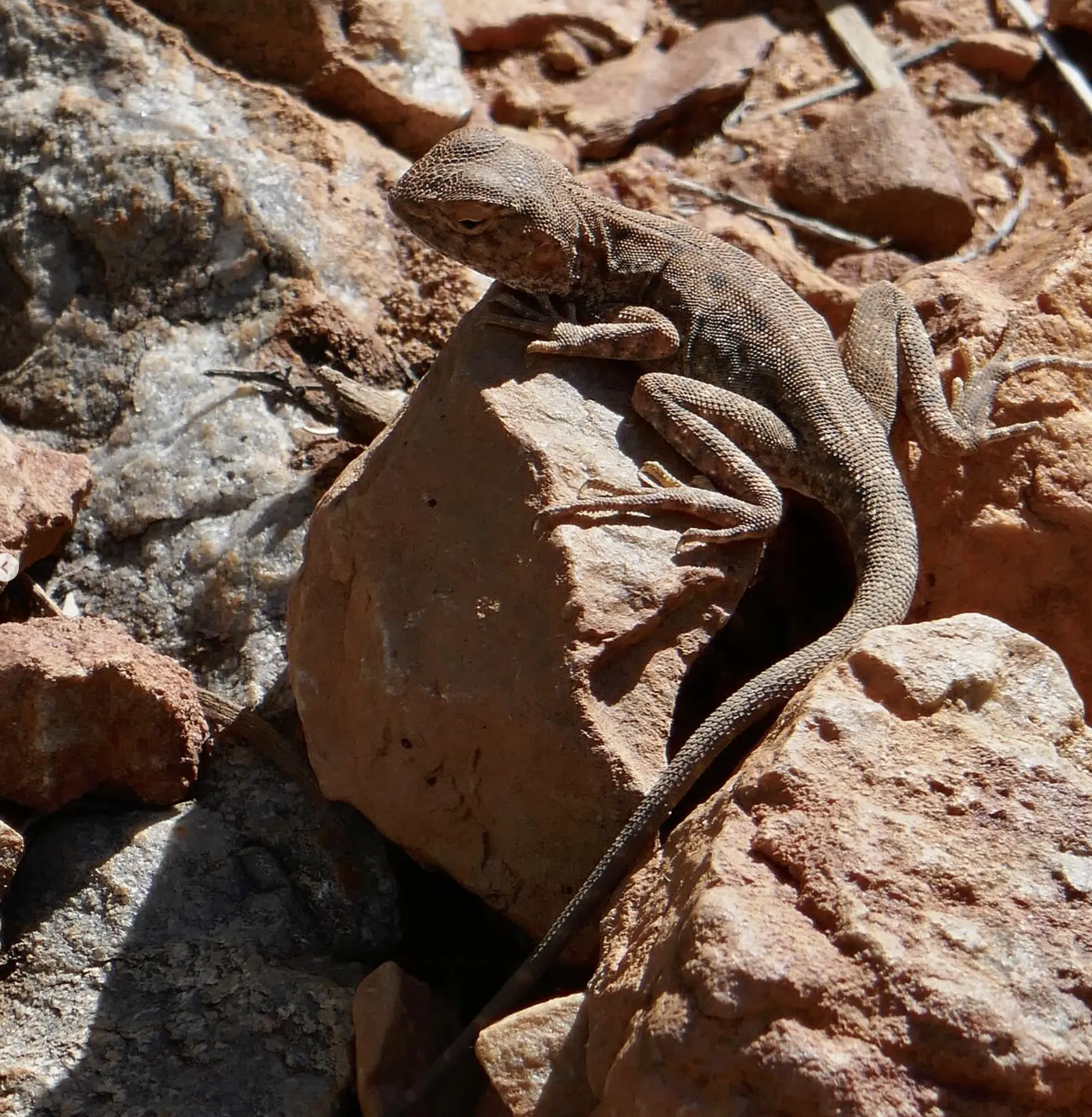
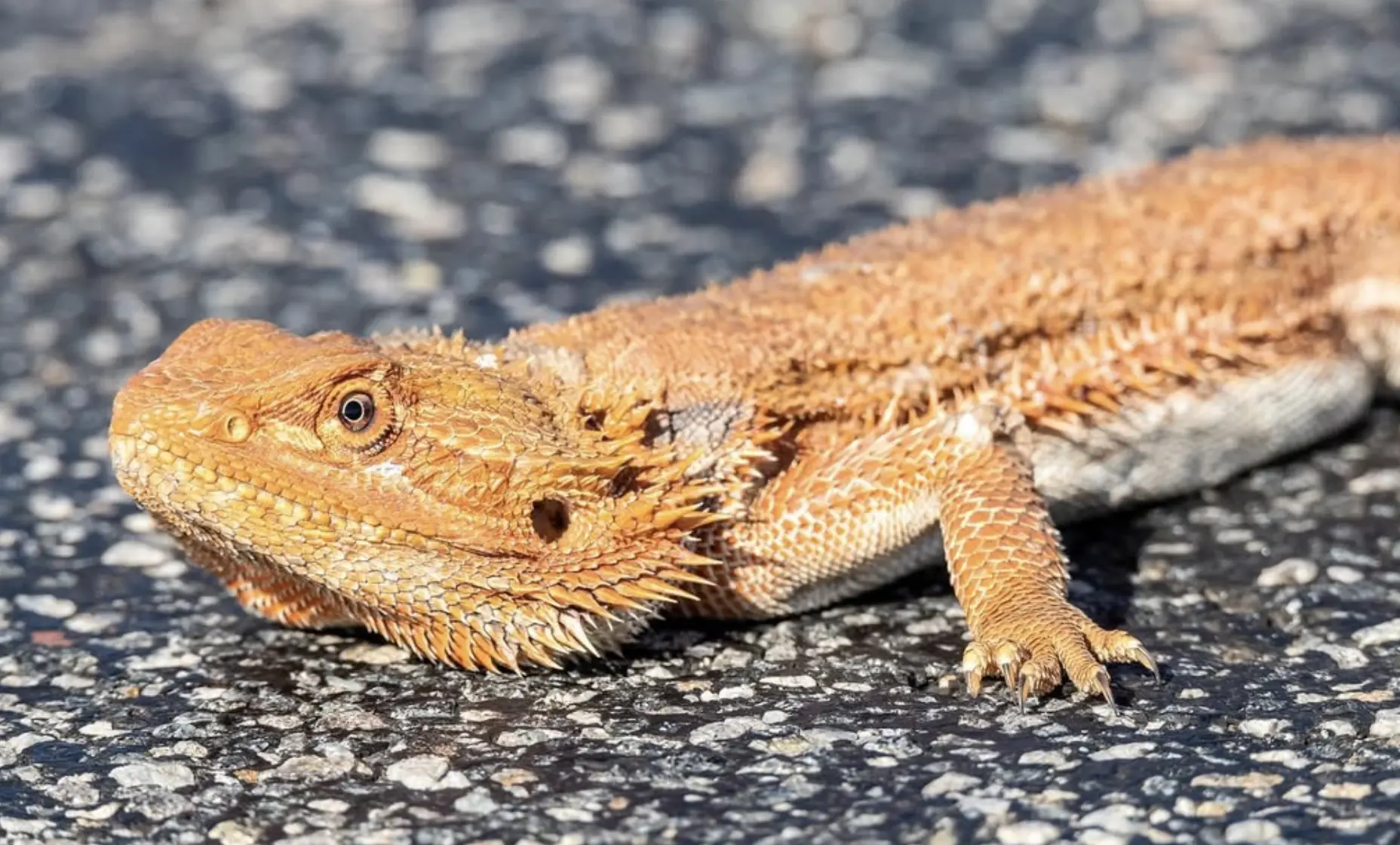
- Bearded Dragons: Bask in the sun on rocky areas during the day, especially in exposed areas like Fringe Lily Creek.
- Centralian Blue-tongued Lizards: These lizards are a unique and fascinating find.
- Geckos and Skinks: Active at night, these small reptiles live in the trail’s rocky and arid landscape.
3. Birds
- Wedge-tailed Eagles: The largest birds of prey in Australia, seen soaring above ridges like Brinkley Bluff and Euro Ridge. Their eyesight and wingspan are breathtaking.
- Zebra Finches: Seen near water tanks and natural water sources, these small social birds bring life to the desert with their constant chattering.
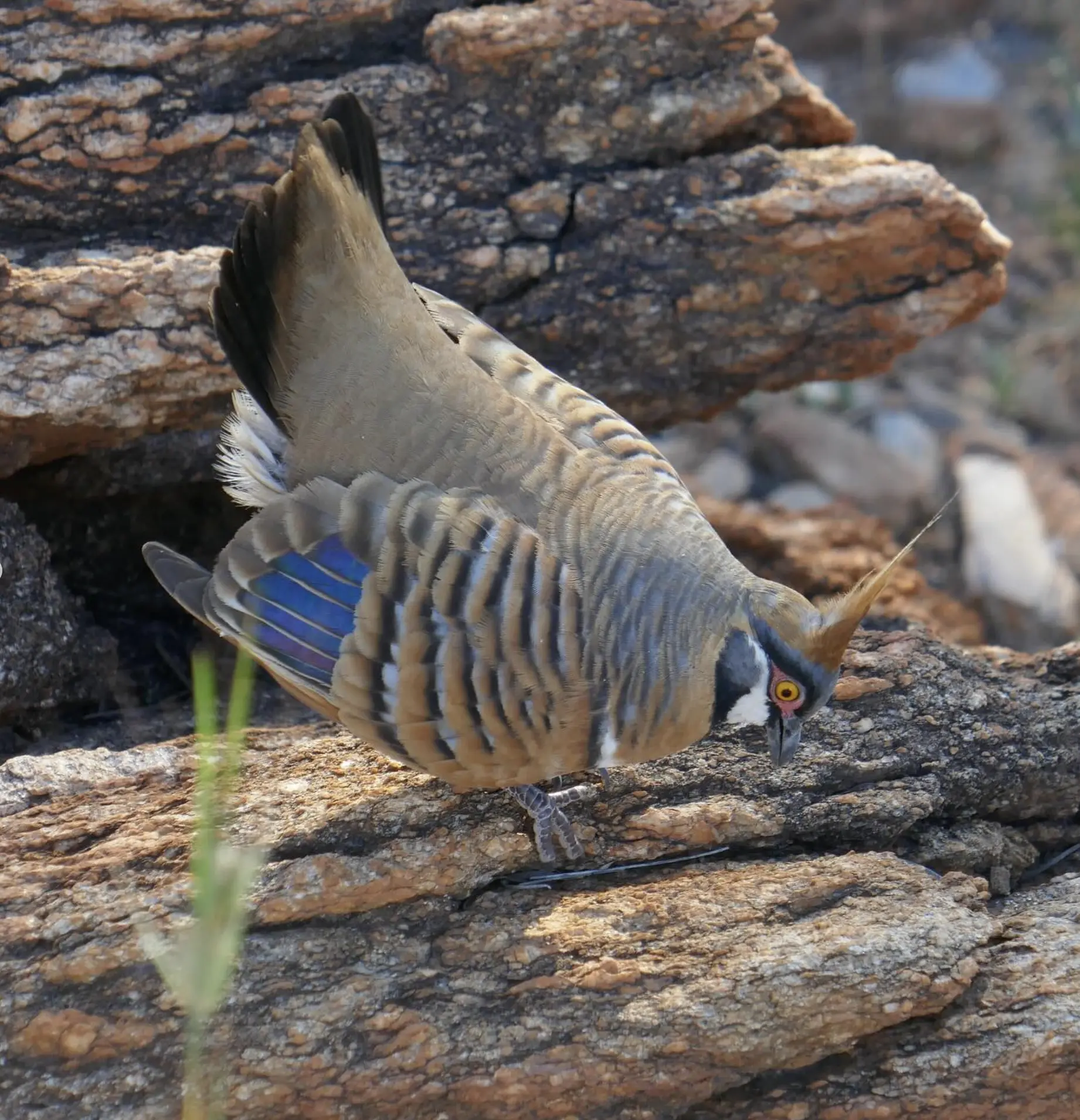
- Spinifex Pigeons: With their crests and markings they are well adapted to the arid environment.
- Budgerigars: During wet seasons they fly in flocks, a splash of green in the landscape.
4. Mammals
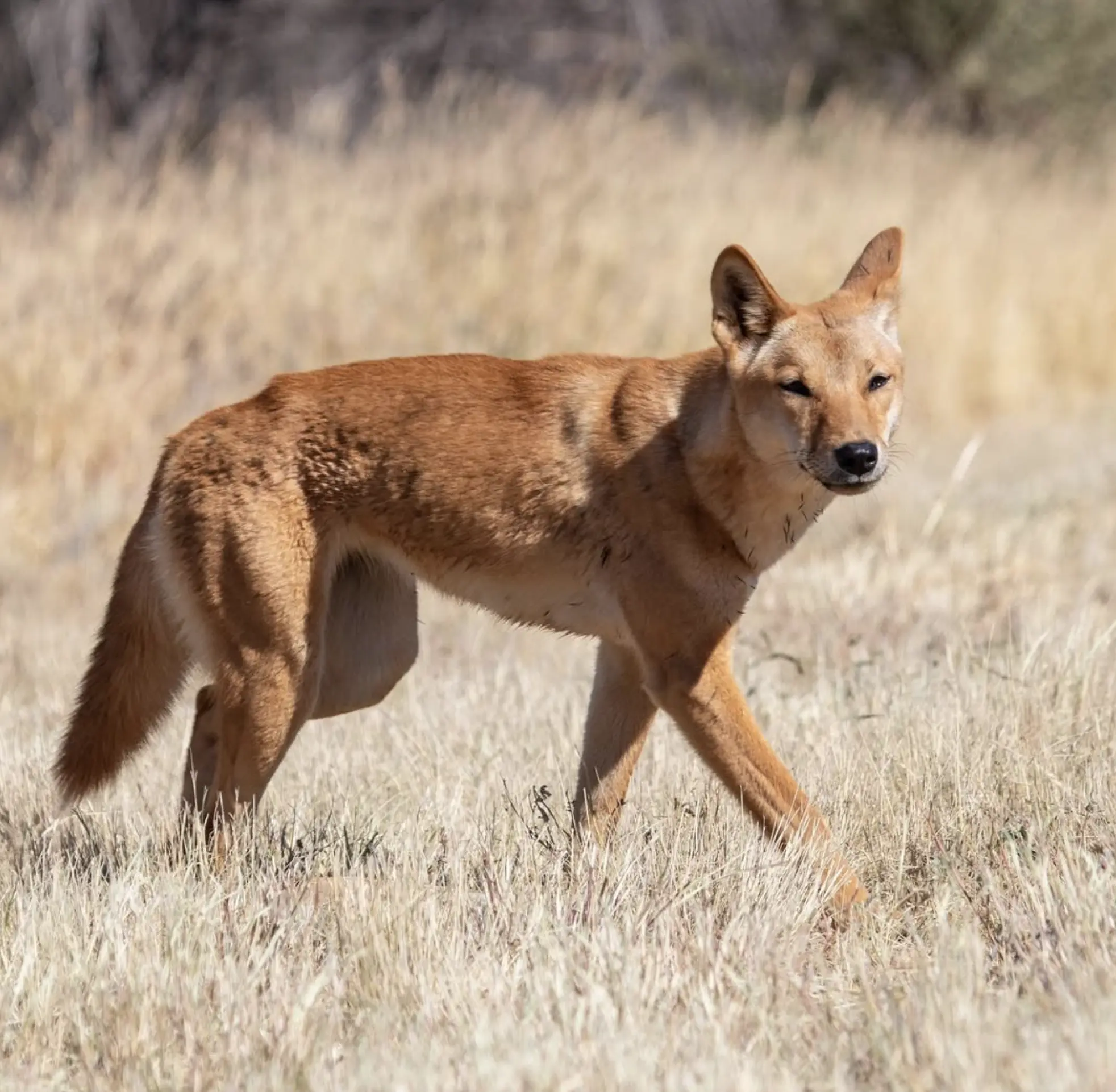
- Dingoes: Seen on occasion along the trail, especially in quieter areas like Jay Creek and Millers Flat. Generally shy but can be curious so be prepared.
- Short-beaked Echidnas: Rare but possible to spot, these spiny little monotremes are a bonus on the trail.
- Bats: Active at dusk, near caves and waterholes like Ellery Creek Big Hole.
5. Amphibians
- Centralian Tree Frogs: Near water holes and gorges after rain.
6. Insects and Arachnids
- Honey Ants: An important part of the local ecosystem and culturally significant to the Indigenous people.
- Orb-weaver Spiders: Harmless and beautiful, near creek beds and vegetation.
Wildlife Hotspots
1. Ormiston Gorge and Ormiston Pound
Birdlife and Black-flanked Rock Wallabies.
2. Redbank Gorge
Reptiles, birds, dingo.
3. Standley Chasm
Unique plants and birdlife. Popular stop for walkers.
4. Hugh Gorge
Kangaroos and wallabies along the dry river beds and rocky cliffs.
5. Ellery Creek Big Hole
Amphibians and birds attracted to water.
Wildlife Spotting Tips
- Bring a head torch for night time wildlife.
- Follow the blue markers to stay on track and not disturb animal habitats.
- Look out for tracks and scat, especially near dry camps like Millers Flat.
- Bring binoculars to get a better view of birds and wallabies on cliffs.
Conservation and Wildlife Etiquette
The Larapinta Trail tour lies through National Park and we need to preserve the ecosystems:
- Dispose of food waste properly to not attract wildlife.
- Stay on the marked trail to protect fragile plants and habitats.
- Use resupply boxes and follow the National Park planner guidelines for minimal impact.
Conclusion
Whether you’re hiking up Razorback Ridge or strolling along Lily Creek the Larapinta Trail gives you the chance to get up close and personal with Australia’s wildlife. From the agile Black-footed Rock Wallabies to the soaring Wedge-tailed Eagles every encounter is a reminder of the trail’s incredible ecosystems. For those looking for a bit of fitness challenge and wildlife magic the Larapinta Trail is a must do. If you’d like to travel guided Larapinta walking tours consider Wildlife Tours who are outback experts.
FAQ
Are there any dangerous animals on the trail?
Snakes and dingoes are present in the area but will generally leave you alone if you leave them alone.
When is the best time for wildlife spotting?
Early morning and late afternoon during the cooler months is best.
Can I see kangaroos and wallabies?
Yes especially in areas like Ormiston Gorge, Standley Chasm and Hugh Gorge.
Are there snakes on the trail?
Yes but they are shy and non aggressive. Be careful on rocky terrain and near water sources.
What to do for wildlife?
Sat phone, camp food and follow the traditional owners’ rules.